Big-Penthouse Energy for Compact Homes

We explore Open-Plan Flow and Grand Sightlines in Compact Homes, Borrowed from Penthouse Design, translating sky-high sensibilities into everyday footprints. Expect practical layout moves, visual tricks, and material choices that stretch rooms, invite light, and choreograph movement without clutter or compromise, while keeping intimacy, comfort, and daily routines genuinely livable and calm. Share your plan dilemmas in the comments and subscribe for sketch-alongs that turn constraints into delightful clarity.

Why Sightlines Matter More Than Square Footage

In compact homes, the eye determines how large a space feels before a tape measure does. Continuous views link rooms, multiply daylight, and lower visual noise. By borrowing penthouse-like axes and vistas, you unlock breathing room, social cohesion, and intuitive wayfinding without adding a single square inch.

The psychology of uninterrupted views

When edges, corners, and doorframes stop the eye, rooms fragment and shrink in perception. Align openings, keep bulky elements low, and float storage to preserve long sightlines. The result is calmer breathing, faster orientation, and a gratifying sense that spaces belong to one another, not isolated boxes.

Borrowed light strategies in tight footprints

Glass partitions, clerestories, and interior windows pass daylight deep into the plan while protecting privacy. Choose translucent films over curtains, use white-painted reveals to bounce light, and align mirrors with actual windows. More light equals longer views, which equals bigger-feeling rooms with friendlier energy and longer functional hours.

Lines of sight that choreograph daily life

Aim key views toward anchors: a dining table, a balcony, a book wall, or greenery. These destinations pull you forward and simplify decisions about where to move next. Clear paths reduce collisions, support conversations across zones, and gently cue tidy habits because clutter disrupts the pleasing view.

The Open Core: Kitchens, Corridors, and Cohesion
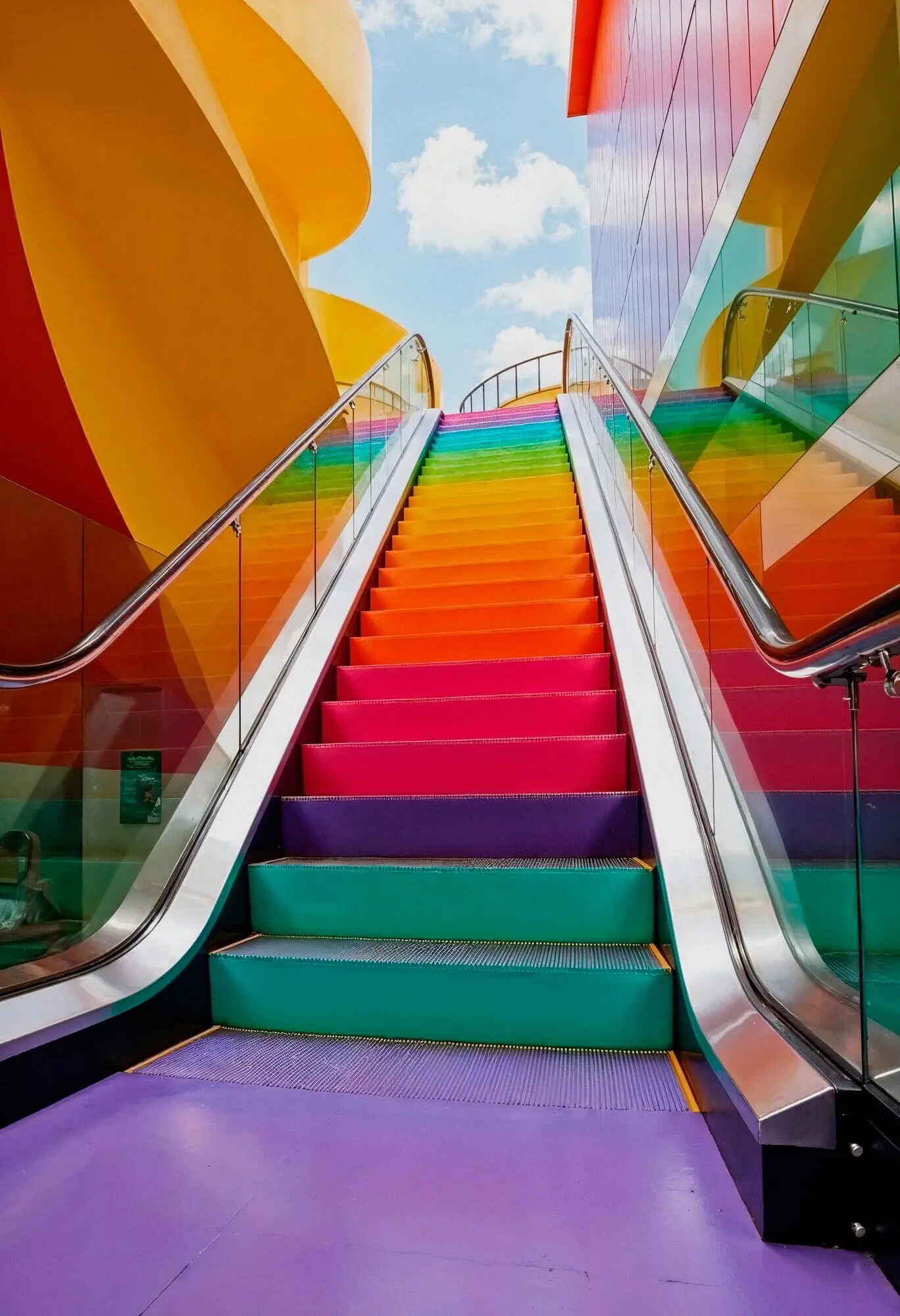
Penthouse layouts often position social spaces as a single, flowing core. In compact homes, emulate that by letting the kitchen, dining, and lounge share air, light, and circulation. Use islands on glides, rounded corners, and consistent ceiling treatments to keep movement unbroken, safe, and welcoming for gatherings.

Vertical Drama in Low Ceilings

Grand apartments heighten experience with layered verticality. You can echo that in modest rooms by stacking light, storage, and focal elements thoughtfully. Push tall pieces to perimeters, emphasize upward lines, and reveal slivers of sky, creating a lift that feels luxurious without demanding structural changes or extravagant budgets.

Clerestories and interior transoms

Add high-level glazing above doors or between rooms to ferry light while preserving privacy and storage needs below. Frosted or fluted glass softens views yet carries brightness. Even a narrow slot can pull your gaze upward, extending perceived height and echoing skyline feelings found in glamorous upper-level residences.

Split-level illusions with color and light

Paint the ceiling slightly lighter than walls, then lift perimeter brightness with concealed coves. A darker, grounded rug centers the zone like a dropped level, while tall curtains start near the ceiling line. These layered cues mimic tiered spaces, generating generosity without adding stairs, platforms, or complicated construction details.

Tall storage that disappears

Full-height cabinets can calm small rooms if doors are flush, handles minimal, and finishes tone with adjacent walls. Recess bases slightly for a floating shadow. The volume lifts the eye and swallows clutter, freeing sightlines so social areas read expansive, light, and intentionally composed rather than chopped into fragments.

Material Palettes That Stretch Perception
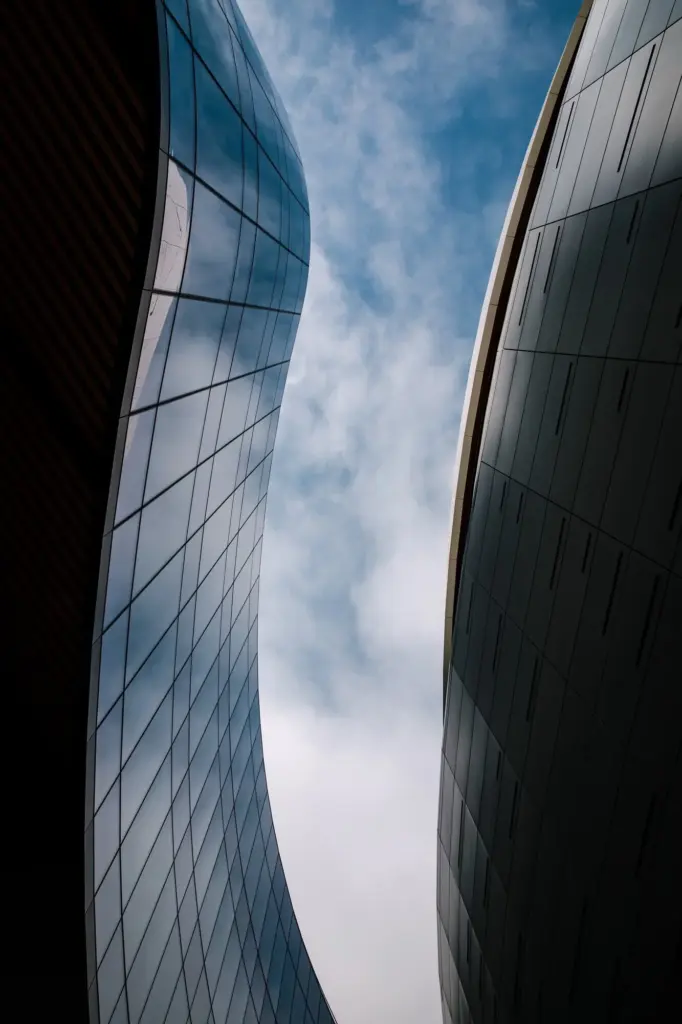
Continuity is your ally. Run one flooring tone through connected spaces, keep skirting details consistent, and repeat finishes on multiple planes. Subtle contrast at thresholds frames views while maintaining flow. These choices borrow the confident restraint of glamorous penthouses and translate it into durable, family-friendly, and budget-aware everyday living.

Continuous flooring as a ribbon

Choose planks or large-format tiles with long runs and minimal thresholds. Align joints to lead the eye toward windows or artwork. Fewer breaks means fewer mental stops, magnifying the sense of unity. Add area rugs only where they clarify zones, not where they interrupt movement, daylight, or conversation lines.

Glass, mirrors, and reflective depth

Use low-iron glass for partitions and doors, then echo that clarity with mirrors opposite outdoor light. Reflections lengthen perspectives, multiplying scenery and amplifying luminance. Keep frames slim and consistent so reflections feel intentional rather than busy, and place art where duplication extends rather than confuses the focal narrative.

Zoning Without Walls

Flexible boundaries protect openness while supporting privacy, focus, and comfort. Instead of building partitions, choreograph layers: rugs, lighting, plants, and acoustics. Each contributes a cue that feels natural, keeping long views intact. The result is quieter dinners, restful work nooks, and playful afternoons that never bottleneck movement.

Stories from Small Homes with Big Views
Case studies reveal how intention outperforms square footage. In each project, residents prioritized long axes, consistent materials, and layered lighting. They report calmer mornings, easier hosting, and fewer lost items. Most changes were affordable, reversible, and timed with ordinary maintenance, proving grandeur is a mindset supported by design.
Tolaputipixikoka
Privacy Overview

This website uses cookies so that we can provide you with the best user experience possible. Cookie information is stored in your browser and performs functions such as recognising you when you return to our website and helping our team to understand which sections of the website you find most interesting and useful.